10 Essential Seed Germination Tips Every Gardener Should Know
Watching tiny seedlings emerge from the soil is one of the most rewarding moments in gardening. Whether you're growing colourful flowers, fresh vegetables, fragrant herbs, or delicious fruits, successful germination is the first step toward a healthy and productive garden.
Every seed contains the potential to become a thriving plant, but it needs the right conditions to begin growing. Factors such as moisture, temperature, light, and proper planting techniques all play an important role in the germination process.
If you're new to gardening or looking to improve your results, these 10 essential seed germination tips will help you create stronger seedlings and establish a healthier garden from the very beginning.
1. Start with Quality Seeds
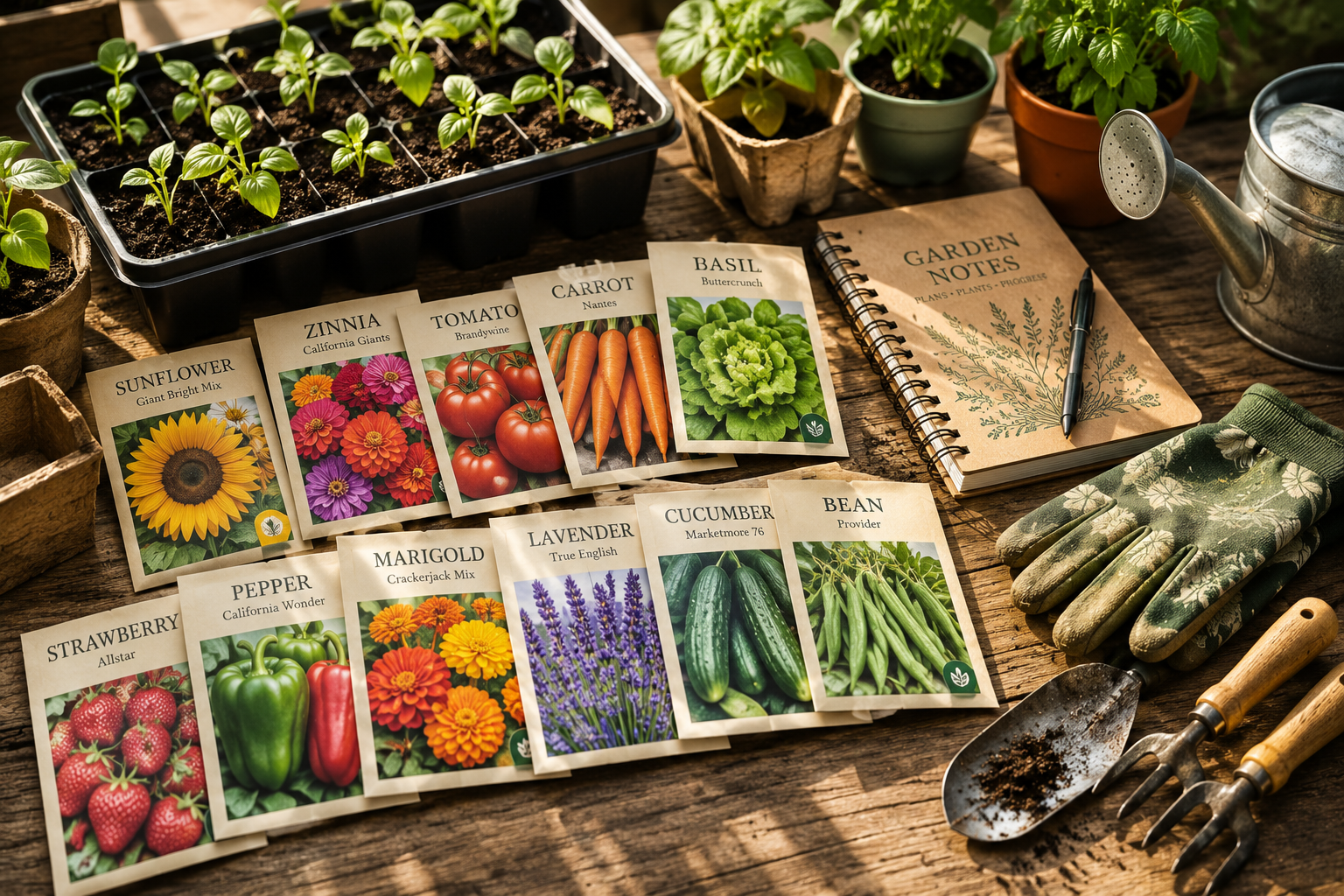
Healthy plants begin with high-quality seeds. Choosing fresh, well-stored seeds from a trusted supplier increases the chances of successful germination.
Before planting:
- Check the seed packet for planting information.
- Store seeds in a cool, dry place until use.
- Keep different seed varieties properly labelled.
Starting with quality seeds provides the best foundation for healthy plant development.
2. Use a Light Seed-Starting Mix
Seeds germinate best in a light, well-draining growing medium rather than heavy garden soil.
A suitable seed-starting mix helps:
- Improve air circulation around young roots.
- Maintain consistent moisture.
- Encourage healthy root growth.
- Reduce soil compaction.
Avoid using dense soil that may slow germination or make it difficult for seedlings to emerge.
3. Plant Seeds at the Correct Depth
One of the most common gardening mistakes is planting seeds too deeply.
As a general guideline:
- Tiny seeds often require only gentle contact with the soil surface.
- Medium-sized seeds should be lightly covered.
- Larger seeds can usually be planted slightly deeper.
Always follow the sowing depth recommended for each variety, as different plants have different requirements.
4. Maintain Consistent Moisture
Seeds need moisture to activate the germination process.
The goal is to keep the growing medium:
- Evenly moist
- Never completely dry
- Not excessively wet
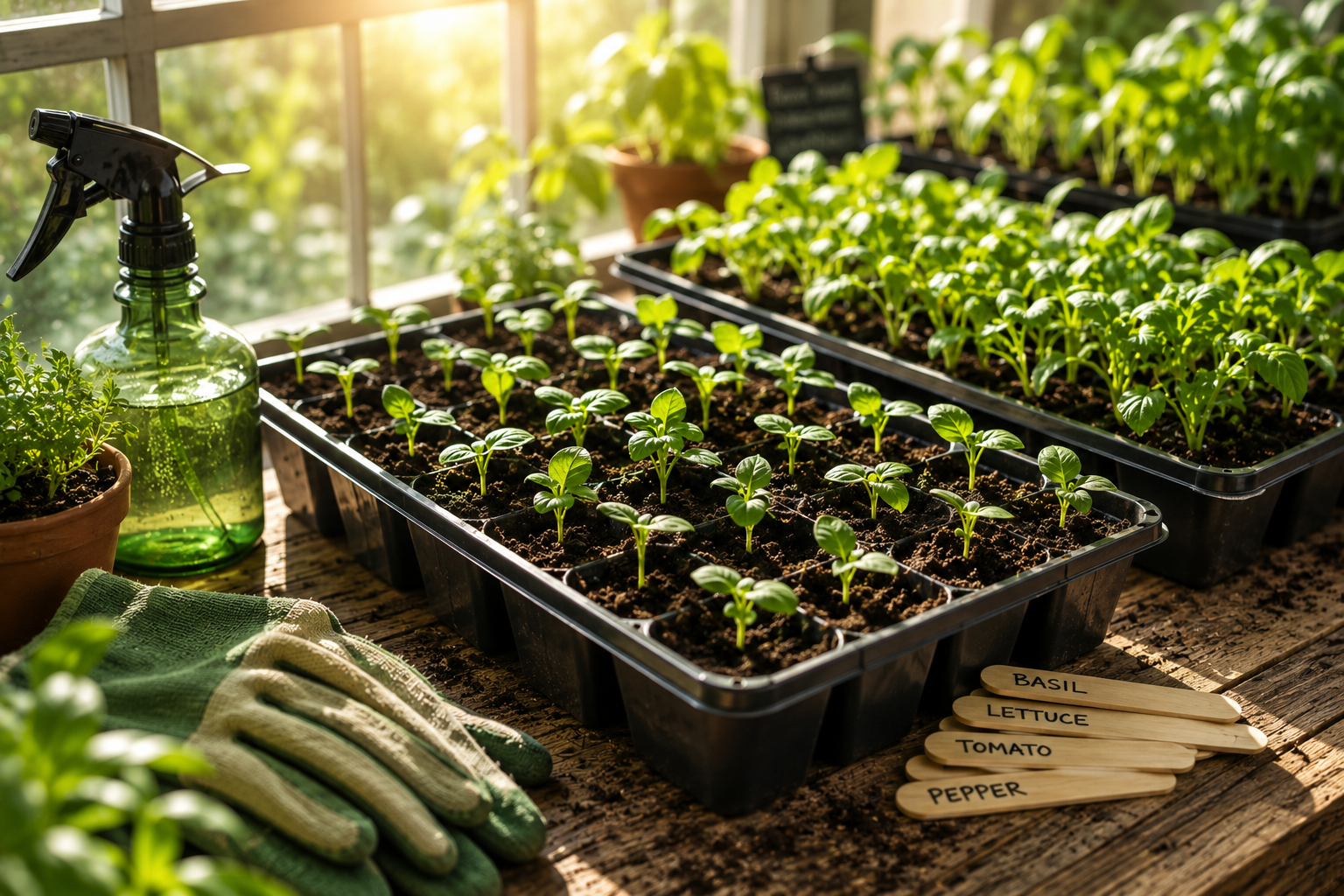
Using a spray bottle or a watering can with a fine rose helps prevent disturbing newly planted seeds while maintaining consistent moisture levels.
5. Provide the Right Temperature
Temperature influences how quickly seeds germinate.
Many flowers, vegetables, herbs, and fruit plants germinate best in moderate warmth. Extremely cold or very hot conditions may delay or reduce germination.
Indoor seed trays, greenhouses, or protected growing areas can help maintain more consistent temperatures during the early stages of growth.
6. Give Seedlings Plenty of Light
Once seedlings emerge, light becomes one of the most important factors for healthy development.
Place young plants where they receive bright natural light or another suitable light source.
Adequate lighting encourages:
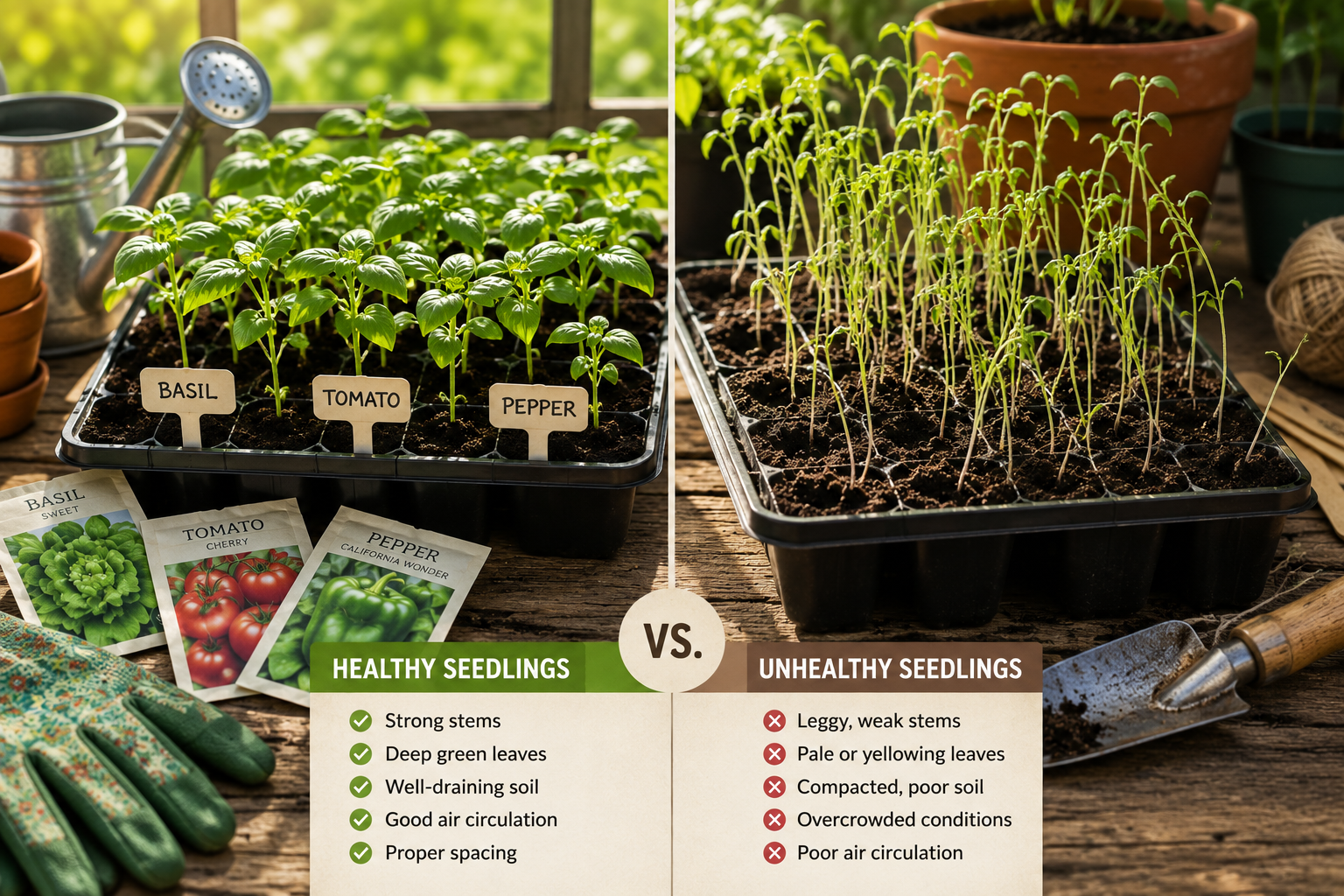
- Strong stems
- Healthy leaves
- Compact growth
- Vigorous seedlings
Insufficient light may result in tall, weak seedlings that are more difficult to transplant.
7. Avoid Overcrowding
Planting too many seeds in a small space creates unnecessary competition.
Overcrowded seedlings may struggle due to:
- Limited airflow
- Reduced light
- Competition for water
- Restricted root development
After germination, thin seedlings if necessary, leaving enough space for the strongest plants to continue growing.
8. Label Every Seed Tray
It is surprisingly easy to forget which seeds have been planted.
Using plant labels helps you keep track of:
- Plant varieties
- Sowing dates
- Germination times
- Future transplant planning
Good organisation becomes especially valuable when growing several different flowers, vegetables, herbs, or fruits at the same time.
9. Be Patient During Germination
Every seed variety germinates at its own pace.
Some seeds sprout within a few days, while others naturally require more time.
Avoid disturbing seed trays unnecessarily during this period. Continue providing moisture, warmth, and light while allowing nature to take its course.
Patience is often rewarded with healthy, vigorous seedlings.
10. Harden Off Seedlings Before Transplanting
Once seedlings have developed several sets of true leaves, they should gradually become accustomed to outdoor conditions before being planted into the garden.
This process helps seedlings adjust to:
- Sunlight
- Wind
- Temperature changes
- Outdoor humidity
Introducing outdoor conditions gradually helps young plants establish more successfully after transplanting.
Common Germination Mistakes to Avoid
Even experienced gardeners occasionally make mistakes. Avoid these common issues:
- Planting seeds too deeply
- Using poor-quality growing medium
- Allowing soil to dry completely
- Overwatering seed trays
- Providing insufficient light
- Skipping plant labels
- Transplanting seedlings too early
Recognising these mistakes early helps improve future gardening success.
dditional Tips for Healthy Seedlings
For even better results:
- Clean seed trays before reuse.
- Provide gentle airflow around seedlings.
- Rotate trays occasionally if growing near windows.
- Remove weak or damaged seedlings when necessary.
- Observe plant growth regularly and adjust care as needed.
Small improvements in daily care can make a significant difference as seedlings mature.
Conclusion
Successful gardening begins with successful germination. By following these 10 essential seed germination tips, you can create the ideal environment for flowers, vegetables, herbs, and fruit plants to grow into healthy, vigorous seedlings.
From selecting quality seeds and using a suitable growing medium to providing the right moisture, temperature, and light, each step contributes to stronger plant development. With patience, careful observation, and consistent care, you'll enjoy a thriving garden that continues to grow season after season.
Explore our collection of flower seeds, vegetable seeds, fruit seeds, and herb seeds to find the perfect varieties for your next gardening project and begin your growing journey with confidence.