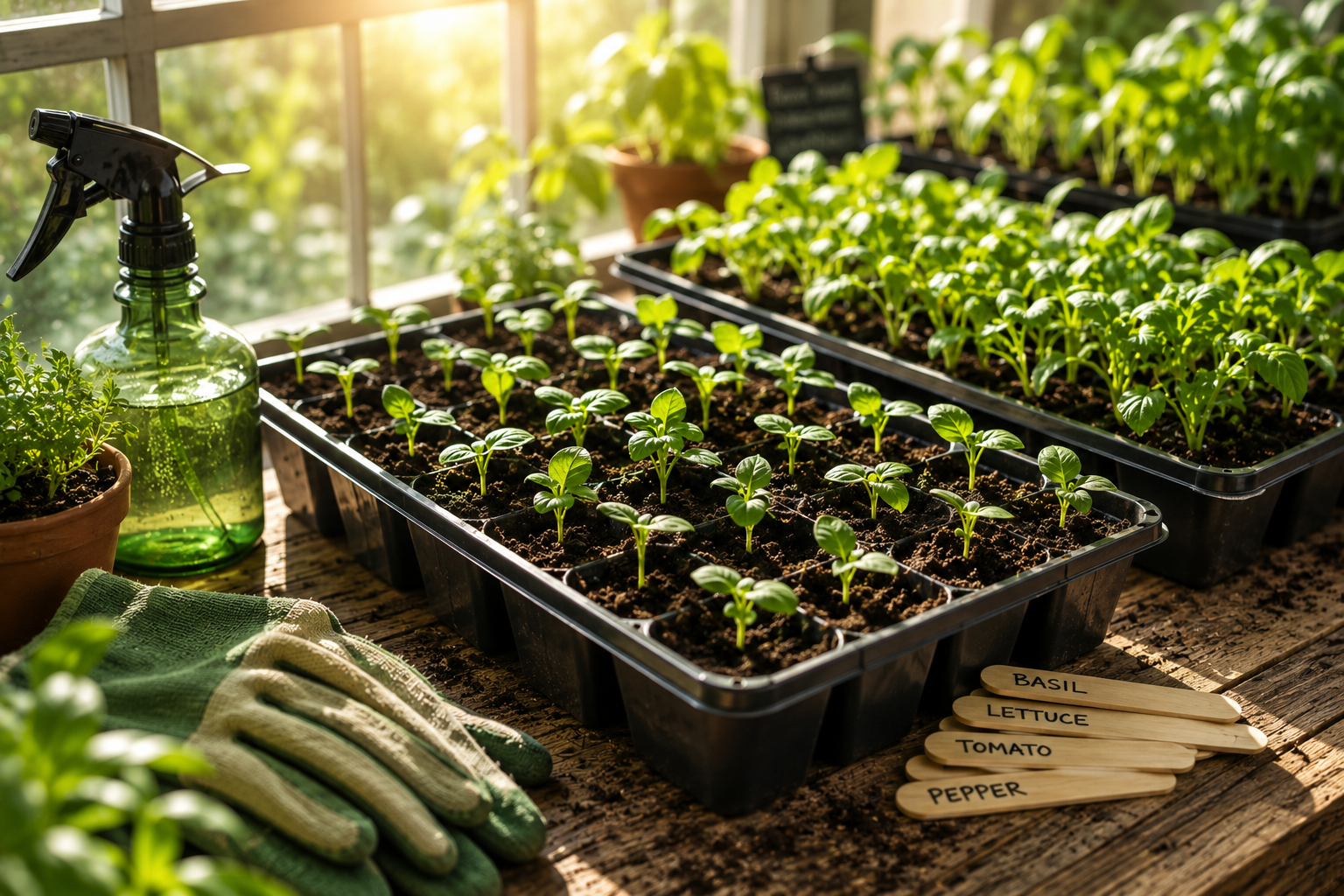
Article: Common Seed Starting Mistakes and How to Avoid Them: A Beginner's Gardening Guide
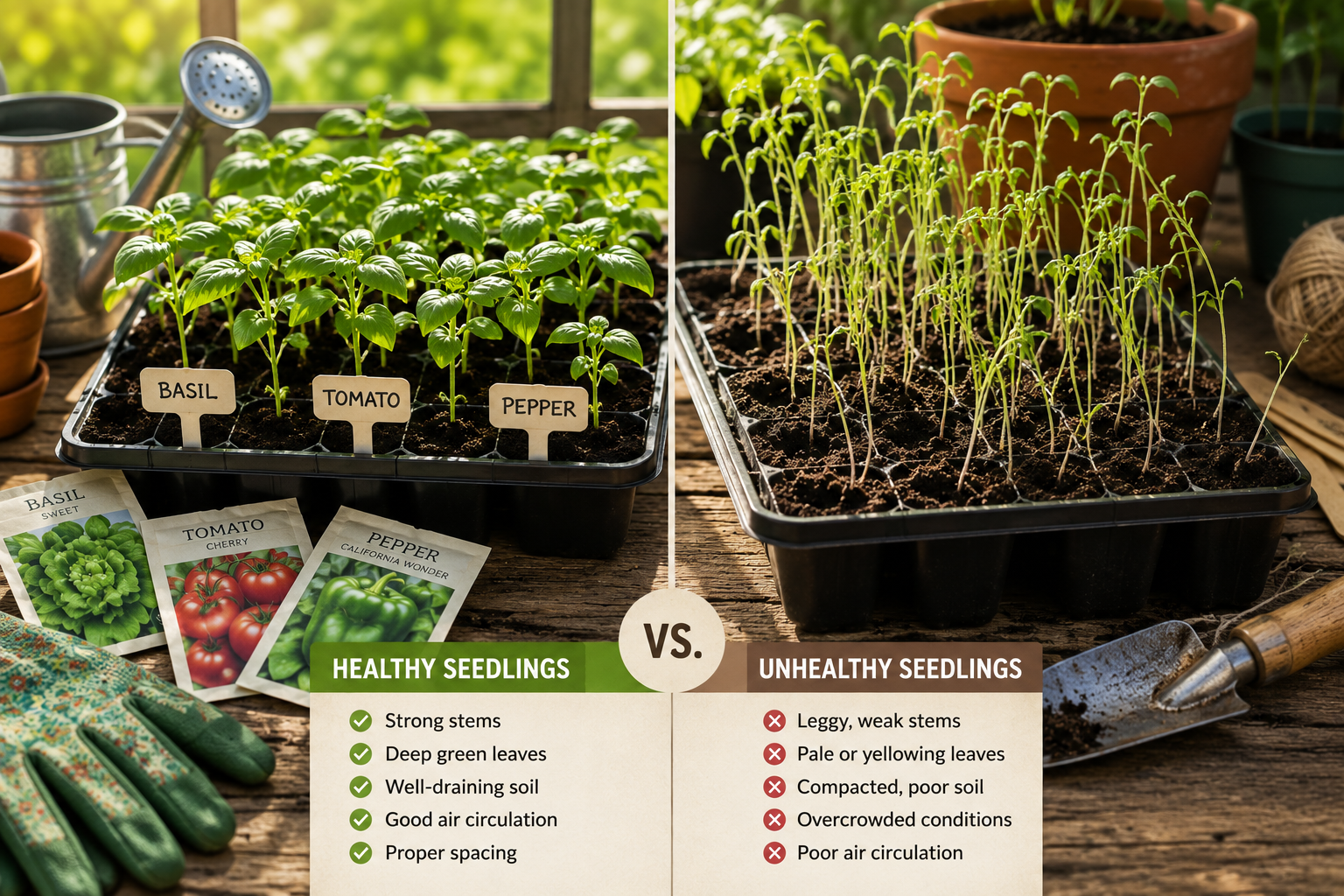
Common Seed Starting Mistakes and How to Avoid Them: A Beginner's Gardening Guide
Growing plants from seeds is one of the most rewarding parts of gardening. Watching tiny seeds develop into healthy flowers, vegetables, herbs, or fruit plants is both exciting and satisfying. However, many gardeners—especially beginners—face challenges during the early stages of plant growth.
Fortunately, most seed starting problems are easy to prevent with the right knowledge and preparation. Understanding common mistakes can help improve germination, produce stronger seedlings, and increase gardening confidence.
This guide highlights the most frequent seed starting mistakes and explains how to avoid them for a healthier and more successful garden.
Why Proper Seed Starting Matters
The seedling stage is one of the most delicate phases of a plant's life. Young plants depend on the right balance of moisture, light, temperature, and care to establish strong roots and healthy stems.
Avoiding simple mistakes helps:
- Improve germination rates
- Produce sturdy seedlings
- Reduce plant stress
- Simplify transplanting
- Support long-term plant growth
A little extra attention during the beginning stages often leads to better gardening results later.
Mistake 1: Choosing the Wrong Seeds
Many gardeners purchase seeds without considering their available space, sunlight, or growing conditions.
How to Avoid It
Choose flower seeds, vegetable seeds, fruit seeds, and herb seeds that match:
- Your available garden space
- Local growing conditions
- Sunlight exposure
- Your gardening goals
- Your level of experience
Starting with beginner-friendly varieties makes the learning process easier and more enjoyable.
Mistake 2: Using Heavy Garden Soil
Regular garden soil is often too dense for delicate seedlings.
Heavy soil may:
- Reduce airflow
- Slow root development
- Hold excessive moisture
- Make seed emergence more difficult
How to Avoid It
Use a light, well-draining seed-starting mix specifically designed for young plants. This creates an ideal environment for healthy root growth.
Mistake 3: Planting Seeds Too Deeply
Incorrect planting depth is one of the most common causes of poor germination.
Seeds buried too deeply may struggle to reach the soil surface, while seeds left completely uncovered may dry out.
How to Avoid It
Follow the planting depth recommendations provided for each seed variety.
As a general rule, sow seeds approximately two to three times as deep as the seed's diameter unless otherwise instructed.
Mistake 4: Overwatering
Many new gardeners believe that more water always leads to better growth.
In reality, excessive watering can:
- Reduce oxygen around roots
- Slow seedling development
- Encourage unhealthy growing conditions
How to Avoid It
Keep the growing medium evenly moist rather than saturated.
Water gently using a spray bottle or fine watering can to avoid disturbing newly planted seeds.
Mistake 5: Allowing Soil to Dry Out Completely
While overwatering is common, allowing the growing medium to become completely dry can also interrupt germination.
How to Avoid It
Check moisture regularly.
The soil should remain consistently moist throughout germination without becoming waterlogged.
Mistake 6: Providing Insufficient Light
After seedlings emerge, light becomes essential for healthy growth.
Without enough light, seedlings may become:
- Tall
- Thin
- Weak
- Less stable
How to Avoid It
Place seedlings in a bright location where they receive adequate natural light.
Rotate trays occasionally if growing near windows to encourage even development.
Mistake 7: Overcrowding Seedlings
Planting too many seeds in one container creates unnecessary competition.
Crowded seedlings compete for:
- Light
- Water
- Nutrients
- Air circulation
How to Avoid It
Follow spacing recommendations and thin seedlings after germination if necessary.
Allow enough room for each plant to develop strong roots and healthy leaves.
Mistake 8: Forgetting Plant Labels
Many gardeners believe they'll remember every seed they've planted—but after a few weeks, different seedlings often look remarkably similar.
How to Avoid It
Label every tray or container immediately after planting.
Include:
- Plant name
- Planting date
- Variety (if applicable)
Good organisation simplifies garden planning later.
Mistake 9: Transplanting Too Early
Moving seedlings outdoors before they are ready can slow growth and place unnecessary stress on young plants.
How to Avoid It
Wait until seedlings have developed several true leaves and gradually introduce them to outdoor conditions through hardening off before transplanting.
Mistake 10: Expecting Instant Results
Gardening requires patience.
Different plants naturally germinate and grow at different speeds.
Checking seed trays constantly or disturbing seeds too often may interfere with healthy development.
How to Avoid It
Follow recommended germination times and continue providing suitable growing conditions while allowing plants to develop naturally.
Best Practices for Successful Seed Starting
Building healthy seedlings becomes much easier when you establish good gardening habits.
Remember to:
- Start with quality seeds.
- Use clean containers.
- Keep growing conditions consistent.
- Water carefully.
- Provide adequate light.
- Label everything.
- Observe seedlings daily.
- Learn from each growing season.
Gardening experience grows with every planting cycle.
Conclusion
Every gardener experiences challenges while learning to grow plants from seeds. The good news is that most common seed starting mistakes are easy to avoid with careful planning and consistent care.
By selecting quality flower seeds, vegetable seeds, fruit seeds, and herb seeds, using a suitable growing medium, maintaining proper moisture, and providing adequate light, you give your seedlings the best possible start.
Gardening is a rewarding journey that improves with every season. As your knowledge grows, you'll develop healthier plants, greater confidence, and a beautiful garden filled with colour, fragrance, and fresh harvests.